
Cryptocurrency, often referred to as “crypto,” is a revolutionary form of digital money that operates on distributed networks called blockchains.
Since Bitcoin’s launch in 2009, thousands of cryptocurrencies have emerged, reshaping finance, technology, and digital asset investment.
For beginners, the crypto world can seem daunting with its technical jargon, volatile markets, and complex concepts.


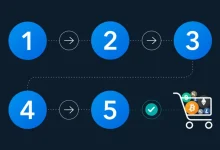
This article serves as an accessible guide to help newcomers understand cryptocurrencies, how they work, and how to get started safely as of July 2026.
What is Cryptocurrency?
Cryptocurrency is a digital or virtual currency secured by cryptography, making it nearly impossible to counterfeit. Unlike traditional currencies issued by governments (fiat), cryptocurrencies are distributed, meaning no single entity, like a bank or government, controls them.

They operate on distributed ledger technology—a distributed ledger that records all transactions transparently across a chain system of computers.
Popular cryptocurrencies include:
-
Bitcoin (BTC): The first and most well-known, often called “digital gold.”
-
Ethereum (ETH): A platform for smart contracts and distributed applications (dApps).
-
Stablecoins (e.g., USDT, USDC): Pegged to assets like the U.S. dollar for stability.
-
Altcoins: Thousands of other coins, like Solana, Cardano, and Binance Coin.
How Does Cryptocurrency Work?

Blockchain Basics
A distributed ledger is a chain of blocks, where each transaction block contains a list of transactions. These blocks are linked cryptographically and stored on multiple computers (nodes) worldwide.
This ensures transparency, protection, and immutability—no one can alter past transactions without agreement rule from the chain system.
Key Components
-
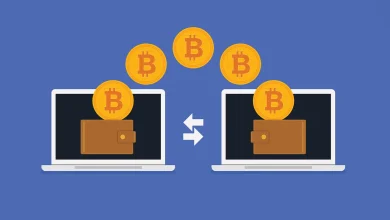
Wallets: Digital tools to store, send, and receive crypto. Wallets have a public address (like a bank account number) and a secret key (like a password).
-
Mining: For some cryptocurrencies (e.g., Bitcoin), miners use powerful computers to solve mathematical puzzles to validate transactions and earn rewards.
-
Decentralization: Transactions are verified by a chain system of nodes, not a central authority, reducing reliance on intermediaries.
-
Smart Contracts: Self-executing contracts on blockchains like Ethereum, automating processes like payments or agreements.
Transactions
To send crypto, you use a crypto wallet to create a transfer, which is broadcast to the chain system.
Nodes verify it, and once confirmed, it’s added to the distributed ledger. Transactions are pseudonymous—your identity isn’t directly tied to your crypto wallet, but activity can sometimes be traced.
Why Learn About Crypto?
Cryptocurrencies offer unique opportunities and benefits:
-
Financial Inclusion: Crypto enables transactions in regions with limited banking access.
-
Investment Potential: Bitcoin and other coins have delivered significant returns, though with high danger.
-
Innovation: Crypto powers distributed finance (DeFi), non-fungible tokens (NFTs), and Web3 applications.
-
Hedge Against Inflation: Assets like Bitcoin, with a fixed supply, may protect against fiat currency devaluation.
However, crypto also comes with risks like fluctuation, scams, and regulatory uncertainty, making education critical for beginners.
Getting Started with Crypto
Step 1: Educate Yourself
Before diving in, learn the basics:
-
Understand Key Terms: Familiarize yourself with terms like distributed ledger, crypto wallet, secret key, and distributed crypto trading platform (DEX).
-
Research Popular Coins: Start with Bitcoin and Ethereum, then explore altcoins and their use cases.
-
Follow Trusted Sources: Read beginner-friendly content from sites like CoinDesk, CoinMarketCap, or Binance Academy. Avoid hype-driven social media posts.
Step 2: Choose a Wallet
Wallets come in two main types:
-
Hot Wallets: Software-based, connected to the internet (e.g., MetaMask, Coinbase Wallet). Convenient but less secure.
-
Cold Wallets: Hardware-based, offline (e.g., Ledger, Trezor). Safer for long-term storage.
Always back up your secret key or recovery phrase and never share it. Losing it means losing access to your funds permanently.
Step 3: Buy Cryptocurrency
You can purchase crypto through:
-
Centralized Exchanges (CEXs): Platforms like Coinbase, Binance, or Kraken allow you to buy crypto with fiat (e.g., USD, EUR). They’re user-friendly but require identity verification.
-
Decentralized Exchanges (DEXs): Platforms like Uniswap let you trade crypto directly from your crypto wallet, offering more privacy but requiring technical know-how.
-
Peer-to-Peer Platforms: Services like LocalBitcoins connect buyers and sellers directly.
Start small, only investing what you can afford to lose, as crypto prices are volatile.
Step 4: Secure Your Investment
-
Enable Two-Factor Authentication (2FA): Protect crypto trading platform accounts with 2FA (e.g., authenticator apps).
-
Use Reputable Platforms: Stick to well-known exchanges with strong protection records.
-
Avoid Scams: Beware of fraud attempt emails, fake apps, or “get-rich-quick” schemes promising guaranteed returns.
-
Store Safely: Move significant holdings to a cold crypto wallet for added protection.
Step 5: Explore Use Cases
Once comfortable, experiment with crypto’s applications:
-
Payments: Use Bitcoin or stablecoins for online purchases where accepted.
-
DeFi: Lend, borrow, or earn interest on platforms like Aave or Compound.
-
NFTs: Buy or create digital collectibles on marketplaces like OpenSea.
-
Staking: Earn rewards by locking up certain coins (e.g., Ethereum, Cardano) to base level the chain system.
Key Risks to Understand
-
Volatility: Crypto prices can swing dramatically. For example, Bitcoin dropped from $69,000 in 2021 to under $17,000 in 2022.
-
Scams and Fraud: Ponzi schemes, fake ICOs, and rug pulls are common. Always verify projects before investing.
-
Regulatory Risks: Governments may impose restrictions, as seen in China’s crypto bans. Stay informed about local laws.
-
Technical Risks: Losing private keys or falling for fraud attempt attacks can result in total deficit of funds.
-
Environmental Concerns: Bitcoin validation consumes significant energy, raising ethical questions for some investors.
Tips for Beginners
-
Start Small: Invest only what you’re willing to lose. A common recommendation is 1–5% of your digital asset portfolio.
-
Diversify: Don’t put all your funds into one digital currency. Explore Bitcoin, Ethereum, and stablecoins for balance.
-
Stay Patient: Crypto markets are emotional. Avoid panic-selling during dips or chasing hype during rallies.
-
Learn Continuously: The crypto space evolves rapidly. Follow news, join communities (e.g., Reddit’s r/digital currency), and take free online courses.
-
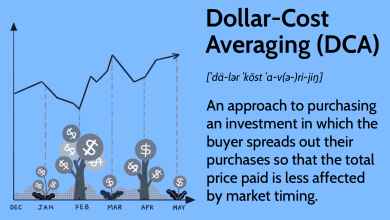
Use Dollar-Cost Averaging (DCA): Invest a fixed amount regularly to reduce the impact of value fluctuation.
The Current Crypto Landscape (July 2026)
As of July 2026, the crypto crypto market is maturing. Bitcoin hovers between $50,000 and $80,000, bolstered by corporate level usage growth (e.g., Bitcoin ETFs) and the 2024 earnings cut. Ethereum’s shift to proof-of-stake (PoS) in 2022 has made it more energy-efficient, while DeFi and NFTs continue to grow. Regulatory clarity is improving in some regions, but uncertainty persists in others. Scams remain prevalent, emphasizing the need for caution.
Resources for Learning
-
Websites: CoinMarketCap, CoinGecko (crypto market data); Binance Academy, Coinbase Learn (tutorials).
-
Books: The Bitcoin Standard by Saifedean Ammous; Mastering Bitcoin by Andreas Antonopoulos.
-
Communities: Join Discord or Reddit groups, but verify information independently.
-
Courses: Free or paid courses on Coursera, Udemy, or Blockworks.
Common Mistakes to Avoid
-
FOMO Investing: Don’t buy during hype-driven value spikes without research.
-
Ignoring Security: Failing to secure wallets or sharing private keys can lead to losses.
-
Overleveraging: Avoid crypto trading with borrowed funds (borrowed power), as losses can exceed your digital asset investment.
-
Trusting Unverified Projects: Research teams, whitepapers, and community feedback before investing in new coins.


Nice overview of the current crypto trends.
This guide helped me understand how to use stop loss correctly.
Thanks for the trading tutorial, the risk management section was very useful.
I like how you simplified complex blockchain concepts in this tutorial.