The Truth Behind Crypto Market Manipulation

Cryptocurrency markets have grown exponentially over the past decade, attracting investors from all walks of life. With promises of high returns and the allure of decentralized finance, the crypto ecosystem has become a major player in the global financial landscape.
However, alongside its rapid growth, the market has become notorious for manipulative practices that can distort prices, deceive investors, and create an environment of uncertainty.



Understanding crypto market manipulation is crucial for anyone seeking to navigate this volatile sector.
What is Crypto Market Manipulation?
Market manipulation in the crypto world refers to practices aimed at artificially influencing the price or trading volume of digital assets for personal or organizational gain. Unlike traditional stock markets, which are heavily regulated, cryptocurrency markets are largely decentralized and often lack robust oversight. This makes them particularly vulnerable to manipulative tactics.
Common forms of manipulation include:
-
Pump and Dump Schemes: Coordinated efforts by groups of investors to inflate the price of a cryptocurrency artificially, only to sell off their holdings at a profit once the price peaks.
-
Wash Trading: The practice of buying and selling the same asset repeatedly to create the illusion of high trading activity, thereby misleading other investors about demand.
-
Spoofing and Layering: Placing fake orders on exchanges to manipulate market sentiment or deceive algorithms, then canceling them before execution.
-
Insider Trading: Individuals with non-public information about upcoming projects, partnerships, or listings exploit this knowledge for personal gain.
Why Crypto Markets Are Susceptible
Several factors contribute to the susceptibility of cryptocurrency markets to manipulation:
1. Lack of Regulation
Unlike traditional financial markets, cryptocurrency exchanges are often unregulated or operate in jurisdictions with limited oversight. This regulatory gap allows manipulative practices to occur with minimal consequences.
2. High Volatility
Cryptocurrencies are known for their rapid price fluctuations. This volatility makes it easier for manipulators to trigger exaggerated market reactions and capitalize on short-term price movements.
3. Low Liquidity for Smaller Coins
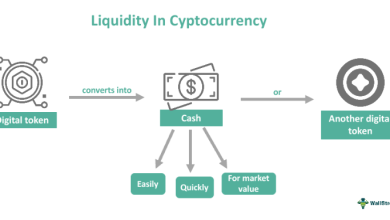
While major cryptocurrencies like Bitcoin and Ethereum have relatively high liquidity, many smaller altcoins suffer from low trading volume. Low liquidity enables manipulators to move prices significantly with relatively small investments.
4. Social Media Influence
Platforms like Twitter, Reddit, and Telegram play a crucial role in spreading hype and misinformation. Influencers or coordinated groups can drive market sentiment, creating sudden spikes or drops in asset prices.
Real-World Examples
Market manipulation is not just theoretical; it has occurred numerous times:
-
Pump and Dump in Small-Cap Coins: Groups on Telegram and Discord often coordinate to buy low-cap cryptocurrencies, artificially inflate their value, and sell at a profit, leaving unsuspecting investors with losses.
-
Tether Controversies: Critics have long speculated that Tether (USDT), a stablecoin pegged to the US dollar, may have been used to artificially inflate Bitcoin prices at critical market moments.
-
Celebrity Endorsements: Influencers or public figures promoting certain coins can trigger sudden surges, which sometimes lead to price crashes once the hype dissipates.
Impact on Investors and the Market
The consequences of market manipulation are far-reaching:
-
Financial Losses: Unsuspecting investors often buy during artificially inflated prices, only to see their assets plummet when manipulators exit.
-
Erosion of Trust: Manipulation undermines confidence in the crypto ecosystem, discouraging long-term investors and institutions from participating.
-
Market Inefficiency: Artificial price movements distort market signals, making it harder for investors to gauge the true value of assets.
-
Legal and Regulatory Scrutiny: As manipulation becomes more visible, regulators are pressured to impose stricter rules, potentially limiting innovation or decentralization.
Detecting Market Manipulation
While challenging, there are ways investors can identify potential manipulation:
-
Unusual Price Movements: Sudden spikes or drops in price without any fundamental news can indicate coordinated trading activity.
-
Abnormal Trading Volume: A surge in trading volume that doesn’t align with market news may suggest wash trading or pump-and-dump schemes.
-
Order Book Anomalies: Large, suspicious orders placed and canceled repeatedly can point to spoofing or layering.
-
Social Media Hype: Coordinated hype campaigns often precede manipulative events, particularly in low-liquidity coins.
Protecting Yourself
Investors can adopt strategies to mitigate risk:
-
Conduct Thorough Research: Focus on projects with transparent teams, clear use cases, and audited smart contracts.
-
Avoid Hype-Driven Decisions: Resist buying assets solely based on social media trends or influencer endorsements.
-
Diversify Your Portfolio: Spreading investments across multiple assets can reduce the impact of manipulation in a single coin.
-
Use Reputable Exchanges: Larger, regulated exchanges are more likely to monitor and prevent manipulative practices.
-
Stay Informed About Regulatory Developments: Understanding the evolving legal landscape can help investors anticipate changes that may affect market integrity.
The Role of Regulators
As cryptocurrencies continue to gain mainstream attention, regulators are beginning to step in. Agencies such as the U.S. Securities and Exchange Commission (SEC) and the Commodity Futures Trading Commission (CFTC) have started investigating cases of market manipulation and enforcing stricter rules. Global collaboration among regulators is likely to enhance transparency and reduce the prevalence of manipulative practices.
However, regulation must balance protection with innovation. Excessive restrictions could stifle the growth of decentralized finance and blockchain-based innovations, which are among the primary advantages of the crypto ecosystem.
The Future of Market Integrity
Advancements in blockchain analytics and decentralized monitoring systems offer hope for a more transparent future. Tools that track suspicious trading patterns, monitor social media sentiment, and analyze on-chain data can empower both investors and regulators to detect manipulation early.
Additionally, the rise of decentralized exchanges (DEXs) and protocols with automated market-making (AMM) mechanisms can help reduce central points of manipulation. While no system is entirely immune, technology combined with investor education can make markets fairer and more predictable.